
































A Simple Guide to Cleaning Encaustic Cement Tiles

A Simple Guide to Cleaning Encaustic Cement Tiles

Learn how to properly clean and maintain encaustic cement tiles with this simple expert guide. Discover the best cleaning methods, sealing advice, stain prevention tips, and long-term care recommendations for kitchens, bathrooms, and commercial interiors. 

Back to blog
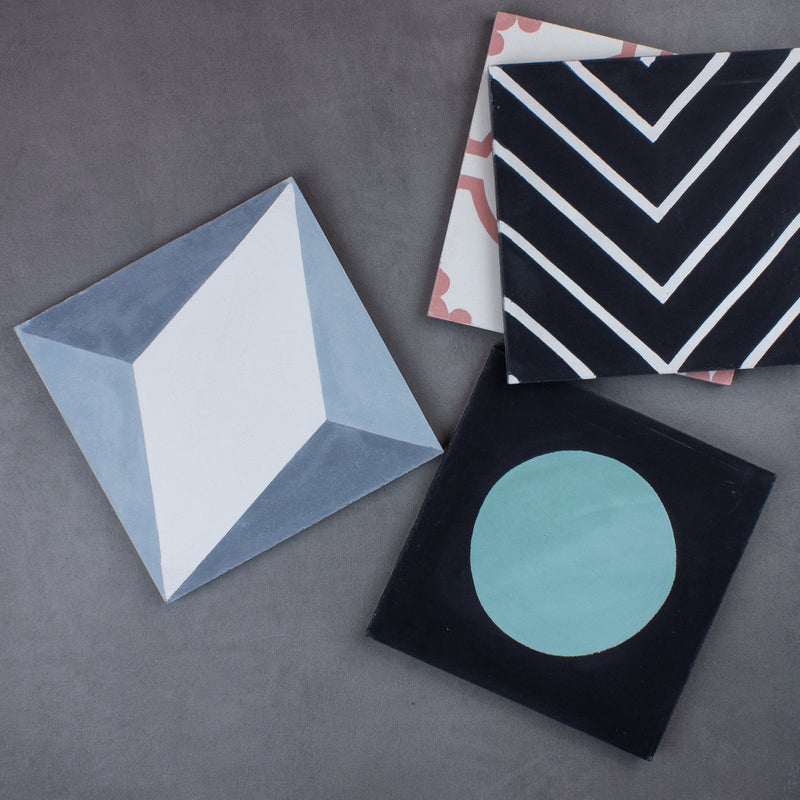
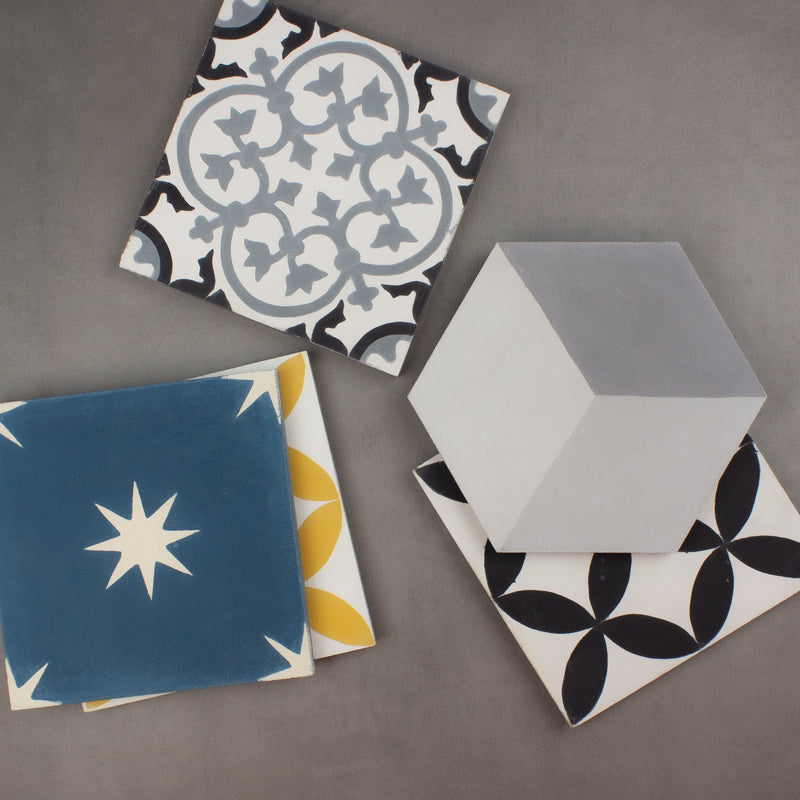
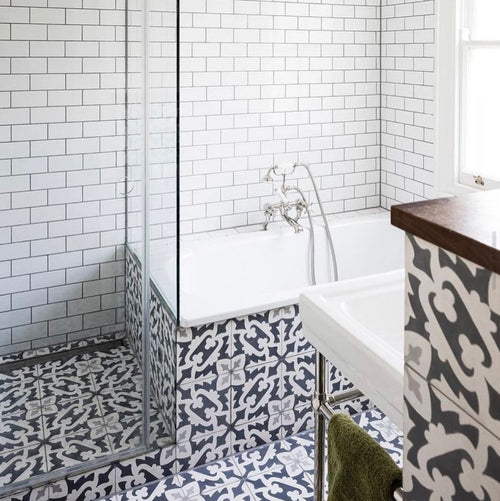
  • Few materials combine craftsmanship, texture, and timeless character quite like encaustic cement tiles. From Mediterranean-inspired kitchens to boutique hospitality interiors and modern minimalist bathrooms, encaustic tiles have become one of the defining surface materials in contemporary luxury design. 


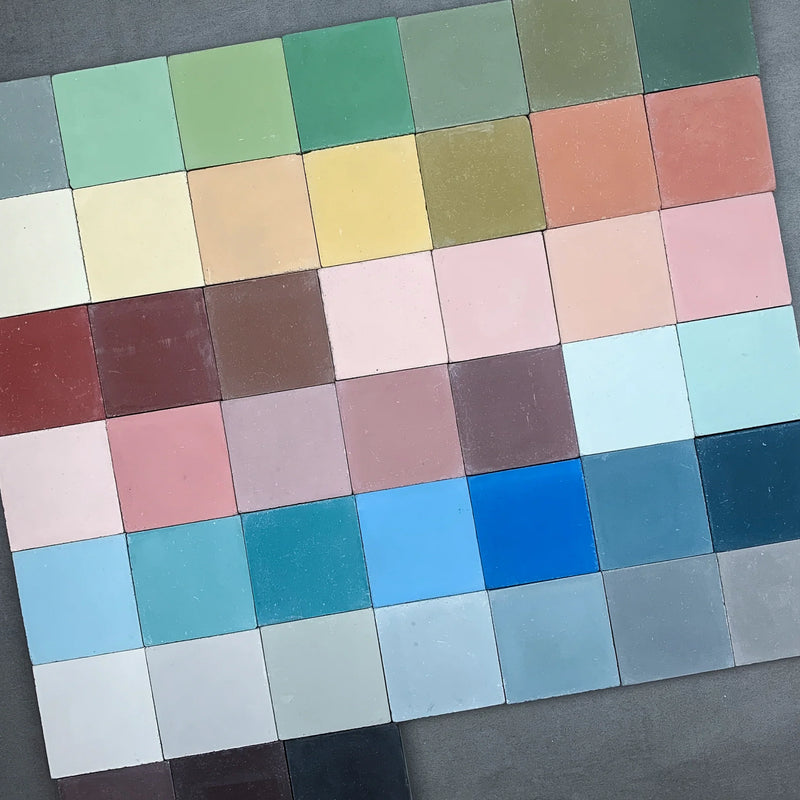
    Their appeal lies in their matt finish, rich pigment depth, handmade variation, and ability to age beautifully over time. Unlike mass-produced ceramic or porcelain tiles, encaustic cement tiles develop a subtle patina that adds warmth and authenticity to a space. 


    At the same time, many homeowners, architects, and designers ask the same question: 

  • The answer is no - provided they are cleaned and sealed correctly. 


    Because cement tiles are naturally porous, their care requirements differ from ceramic and porcelain surfaces. Proper maintenance helps preserve colour richness, surface integrity, and long-term durability while preventing staining or premature wear. 


    This guide explains everything you need to know about cleaning encaustic cement tiles properly, including daily care, stain removal, sealing, and long-term maintenance strategies for kitchens, bathrooms, and commercial interiors. These are the same products and maintenance methods we recommend across residential, hospitality, and commercial encaustic tile installations. 

  • Explore our handmade encaustic cement tile collection to see available patterns, colours, and formats.

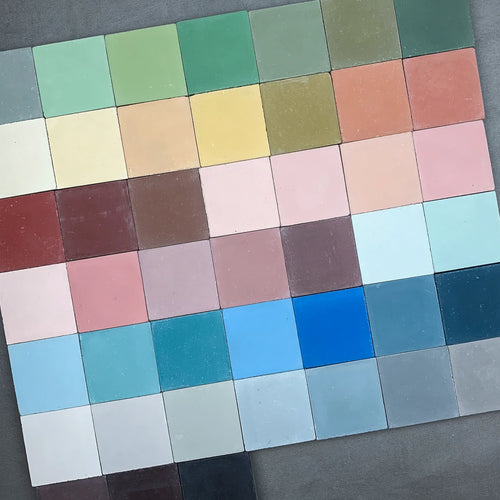
  • Encaustic cement tiles are handmade decorative tiles created using pigmented cement rather than glazed ceramic surfaces. Despite their historical origins, they have experienced a major resurgence in luxury interior and architectural design. 


    Unlike porcelain or ceramic tiles, encaustic cement tiles are not kiln-fired. Instead, they are produced using hydraulic compression. 

  • Encaustic Cement Tiles 

  • Porcelain Tiles 

  • Handmade appearance

  • Highly uniform

  • Develop natural patina

  • Appearance remains static

  • Require sealing

  • Usually non-porous

  • Softer matt texture

  • Harder vitrified surface

  • Rich pigment depth

  • Printed surface designs

  • 1. Pigmented Surface Layer 

    A blend of white cement, marble powder, and mineral pigments forms the decorative face of the tile.

  • 2. Structural Cement Layer 

    This provides strength and stability beneath the decorative surface.

  • 3. Base Layer 

    A coarse cement backing supports compression and adhesion. 


    The tile is then hydraulically pressed and cured naturally rather than fired in a kiln. 

  • Because encaustic tiles are cement-based rather than glazed, they are naturally porous.

  • This means they: 

    • Absorb moisture more readily  
    • Require sealing  
    • Develop patina over time  
    • Need pH-neutral cleaning methods  
    • Respond differently to stains and moisture compared to porcelain  
  • These characteristics are not flaws - they are part of what gives handmade cement tiles their depth, softness, and organic beauty.

  • Cleaning encaustic cement tiles correctly is essential because improper maintenance can permanently damage the surface. 


    Unlike glazed porcelain, cement tiles do not have a protective vitrified layer. Harsh chemicals can etch the surface, dull pigments, or weaken sealers. 

  • Acidic Cleaners 

    Products containing can damage cement tiles permanently. : 

    • Vinegar  
    • Lemon  
    • Bleach  
    • Limescale removers  
    • Strong bathroom chemicals  
  • Acids react with the cement and may: 

    • Strip sealers  
    • Cause discolouration  
    • Create dull patches  
    • Etch the surface texture  


    We strongly advise against acid cleaners and highly alkaline degreasers for routine maintenance.  

  • Abrasive Cleaning Tools 

    Avoid: 

    • Wire brushes  
    • Scouring pads  
    • Harsh abrasive sponges  


    These can wear away the pigmented surface layer over time. 

  • Excessive Water Saturation 

    Over-wetting tiles repeatedly may: 

    • Encourage staining  
    • Affect sealers  
    • Cause uneven drying patterns  
    • Increase maintenance requirements  
  • The best cleaner for encaustic cement tiles is always a gentle pH-neutral cleaner designed for natural stone or cementitious surfaces. 


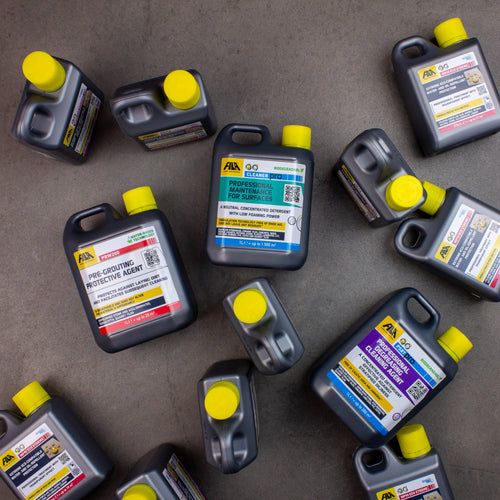
    For regular maintenance, we recommend using CLEANER PRO diluted at 1:200 (25ml in 5 litres of water).  

  • These types of cleaners: 

    • Clean without etching  
    • Preserve sealers  
    • Maintain colour richness  
    • Protect long-term appearance  
  • Pre-Grouting Protection - An Often Overlooked Step 

    One of the most important stages in encaustic tile installation actually happens before grouting begins.

    Because cement tiles are highly absorbent, grout pigments can permanently stain the surface if the tiles are not protected correctly.

  • Recommended Pre-Grouting Treatment 

    Apply PRW200 before grouting to reduce grout staining and ease post-installation cleaning.  


    Benefits of PRW200 

    • Helps protect against grout haze and pigment absorption  
    • Reduces drying time after cleaning  
    • Does not significantly alter the appearance of the tile  
    • Simplifies end-of-work cleaning  


    The guidance recommends applying the treatment to the face and sides of the installed tiles before grouting.  

    This stage is especially important with patterned encaustic tiles where grout staining can be highly visible. 

  • Post-installation cleaning is critical for long-term appearance. 


    Improper removal of grout haze and construction residue can permanently affect the finish of encaustic cement tiles. 

  • Recommended Product for Post-Construction Cleaning 

    The Terrazzo Tiles care guide recommends PS87 PRO for end-of-work cleaning.  


    What PS87 PRO Is Designed For 

    • Removing grout haze  
    • Cleaning adhesive residue  
    • Removing construction dirt  
    • Preparing the surface for sealing  


    The product is typically diluted 1:5 for cleaning after installation.  

  • Why This Stage Matters 

    End-of-work cleaning: 

    • Removes installation residues before they cure fully  
    • Prepares the tile for sealing  
    • Prevents long-term surface haze  
    • Helps maintain colour clarity and surface texture  


    This stage should always follow the grout manufacturer’s recommended curing times. 

  • One of the biggest misconceptions about encaustic tiles is that they require difficult maintenance. 


    In reality, ongoing care is relatively simple once the tiles are sealed correctly. 

  • Remove Dust and Grit 

    Dust and grit act like sandpaper underfoot. 

    Use: 

    • A soft broom  
    • Microfibre dust mop  
    • Vacuum with a soft floor attachment  
  • This is especially important in: 

    • Hallways  
    • Kitchens  
    • Commercial interiors  
    • Entrance areas  
  • Damp Mop Using pH-Neutral Cleaner 

    For routine maintenance, the FILA care system recommends CLEANER PRO diluted 1:200.  


    Use: 

    • Warm water  
    • A diluted pH-neutral cleaner  
    • A well-wrung microfibre mop  


    Avoid soaking the floor. The aim is gentle surface cleaning rather than saturating the tiles. 

  • Recommended Cleaning Tools 

    The safest tools include: 

    • Microfibre cloths  
    • Soft-bristle brushes  
    • Non-abrasive sponges  
    • Spray mops  
    • Soft vacuum attachments  
  • Common Cleaning Mistakes 

    Avoid: 

    • Steam cleaners  
    • Vinegar solutions  
    • Bleach  
    • Abrasive pads  
    • Highly alkaline degreasers  


    Even natural DIY cleaners can damage cement surfaces if they contain acids. 

  • Stain removal is one of the most important aspects of encaustic tile maintenance.  Because cement tiles are porous, stains should be addressed quickly. 

  • Oil & Grease 

    ypically found in kitchens and dining areas. 

    For oil and grease stains, the FILA stain chart recommends NOSPOT.  

  • Coffee & Wine 

    Pigmented liquids can penetrate unsealed or poorly sealed surfaces. 

    The FILA stain chart recommends SR95 for coffee and wine staining.  

  • Carbonated Drinks & Fruit Juices 

    Acidic beverages can stain or damage the surface. 

    The guide also recommends SR95 for carbonated beverages and juices.  

  • Rust Stains 

    Rust contamination can occasionally occur in outdoor or wet environments. 

    For rust removal, the recommended product is NORUST.  

  • Silicone Residue 

    For silicone removal after installation, the chart recommends ZEROSIL.

  • What NOT to Use 

    Never use: 

    • Bleach  
    • Acidic descalers  
    • Wire wool  
    • Solvent-heavy degreasers  
    • Aggressive commercial cleaners  


    These can permanently alter the surface finish and pigmentation. 

  • Why Cement Tiles Need Sealing 

    ealers help: 

    • Reduce staining  
    • Slow moisture absorption  
    • Preserve colour  
    • Improve maintenance  
    • Protect against oils and dirt  


    Without sealing, tiles are far more vulnerable to staining and uneven ageing. 

  • Recommended Sealer for Encaustic Cement Tiles 

    The FILA care guide recommends MP90 ECO XTREME as a stain-proof protective treatment for encaustic tiles.  


    Benefits of MP90 ECO XTREME 

    • Reduces absorption without altering appearance  
    • Water and oil repellent  
    • Helps block common household stains  
    • Assists long-term maintenance  


    The guide also notes that the product maintains the natural aesthetic appearance of the material, making it particularly suitable for design-led interiors.  

  • Important Limitation of Sealers 

    Even high-quality sealers do not protect against acid damage. 


    The FILA guidance specifically notes that MP90 ECO XTREME does not protect against acid stains.  


    This is why avoiding acidic cleaning products remains essential even after sealing. 


  • For interior installations, the FILA system also recommends optional finishing waxes after sealing.  


    Recommended options include: 

    • SATIN (satin effect)  
    • MATT (matte effect)  


    These products: 

    • Help maintain surface protection  
    • Simplify regular maintenance  
    • Allow adjustment of the final finish appearance  
  • Maintenance Schedule for Waxed Floors 

    We recommend: 

    • Maintenance waxing every 2–3 months after cleaning with diluted CLEANER PRO  
    • A more concentrated annual wax treatment if required  


    This approach is particularly useful in high-traffic interiors or hospitality settings. 

  • Over time, older encaustic tile floors may accumulate: 

    • Wax build-up  
    • Embedded dirt  
    • Surface dullness  
  • Recommended Restoration Product

    PS87 PRO for restoration cleaning. 

  • Restoration Cleaning Helps: 

    • Remove layers of wax and dirt  
    • Restore the original appearance  
    • Prepare the floor for re-treatment or resealing  


    This process is particularly useful for: 

    • Older encaustic floors  
    • Commercial interiors  
    • Period property renovations  
    • Hospitality environments  
  • Encaustic cement tiles are durable, timeless, and beautifully characterful surfaces — but they require the correct care approach. 


    The key principles are simple: 

    • Use pH-neutral cleaners  
    • Avoid acids and harsh chemicals  
    • Seal tiles properly  
    • Clean spills promptly  
    • Maintain gently and consistently  
  • Using a structured care system - including products such as PRW200, PS87 PRO, MP90 ECO XTREME, CLEANER PRO, and optional SATIN or MATT finishing waxes - helps preserve the beauty and longevity of encaustic cement tiles over time.  


    When maintained correctly, encaustic cement tiles age beautifully, developing richness and patina that enhance their handmade character over time. 

  • Far from being difficult to maintain, they simply require a different mindset than porcelain or ceramic surfaces - one that embraces authenticity, craftsmanship, and natural ageing. 


    For homeowners, architects, and designers seeking warmth, texture, and timeless materiality, encaustic cement tiles remain one of the most compelling surface choices in contemporary interior design. 

  • Explore Further 

    • Order encaustic cement tile samples  
    • Download technical care guides  
    • Explore Encaustic Tile Cleaning & Maintenance Products 
    • Speak with our specification team  
    • Request advice for residential or commercial projects 

Frequently Asked Questions

Are encaustic cement tiles hard to maintain? 

No - when sealed correctly and cleaned with pH-neutral products, maintenance is straightforward.

Can you use bleach on encaustic tiles? 

No. Bleach and acidic cleaners can damage the cement surface and strip protective sealers.

How often should cement tiles be sealed? 

Typically every 2–5 years depending on traffic and exposure.

Can encaustic cement tiles be used in bathrooms? 

Yes. Proper sealing and ventilation are essential.

What is the best cleaner for encaustic cement tiles? 

A pH-neutral cleaner such as CLEANER PRO is ideal for regular maintenance.

Read more articles